



The timeless beauty of watercolor art: Techniques, materials, and creative inspiration
Views count 150
Watercolor painting has captivated artists for centuries with its softness, transparency, and expressive potential. Whether you are a beginner exploring new creative paths or an experienced painter seeking deeper mastery, understanding the right techniques and materials is essential. This article will guide you through the foundations of watercolor art, inspiring you to create stunning and meaningful works.
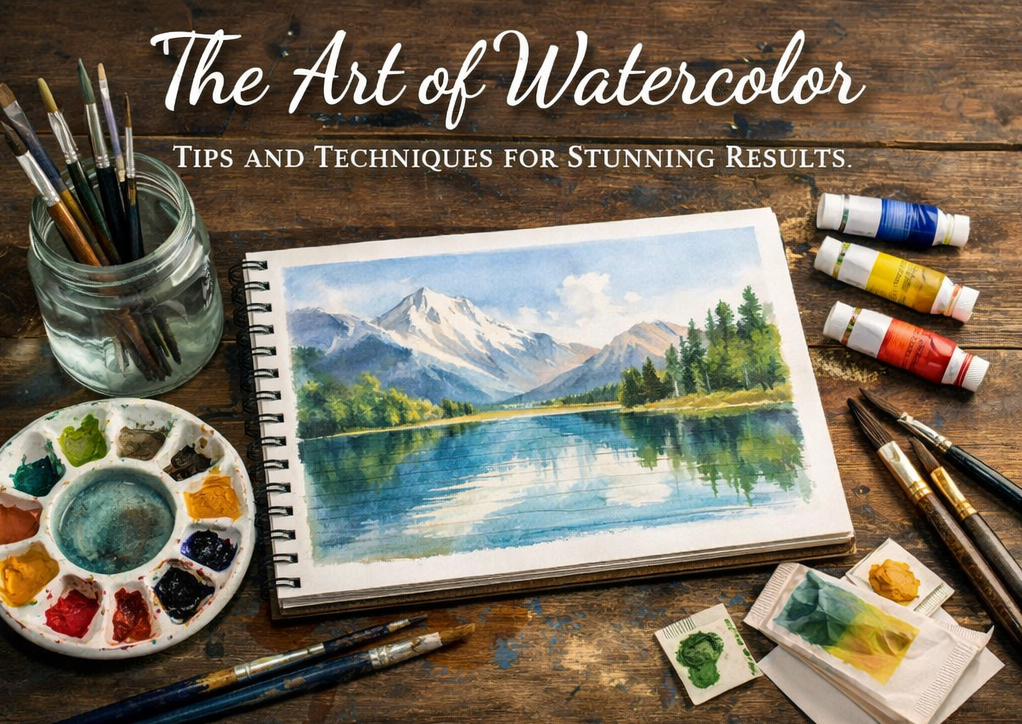
The Magic of Watercolor Art
Watercolor painting is one of the most poetic and expressive art forms. Its charm lies in the fluidity of pigments, the transparency of layers, and the unpredictable yet beautiful interactions between water and color. Artists around the world appreciate watercolor for its ability to capture atmosphere, emotion, and delicate detail with minimal tools.
Essential Materials for Quality Watercolor Work
To achieve professional results, choosing the right materials is crucial. High-quality paper provides the foundation for every painting. Many artists prefer arches paper because of its durability, texture, and ability to absorb water evenly. This type of paper allows pigments to shine and prevents unwanted warping.
Equally important are the paints themselves. Professional-grade watercolor pigments offer richer tones, better blending, and long-lasting vibrancy. Brushes made from natural or synthetic fibers come in various shapes, each serving a unique purpose—from broad washes to fine detailing. A ceramic or plastic palette, clean water containers, and absorbent tissues complete the essential toolkit.
Fundamental Techniques Every Artist Should Know
Mastering watercolor begins with understanding basic techniques. The wet-on-wet method creates soft transitions and dreamy effects by applying paint onto a wet surface. In contrast, wet-on-dry allows for sharper edges and controlled details. Learning how to blend colors smoothly, create gradient washes, and lift pigment from the paper will significantly improve your results.
Another valuable technique is dry brushing, which adds texture and expressive strokes. Artists also use glazing—layering transparent washes—to build depth and complexity. These methods form the foundation of watercolor artistry and open the door to endless creative possibilities.
Building Depth, Light, and Atmosphere
Watercolor excels at capturing light. By layering washes gradually, you can create atmospheric landscapes, realistic portraits, or abstract compositions full of movement. Understanding how shadows interact with highlights will help you create dimensional and visually compelling artwork.
Negative painting is another powerful technique, where the artist paints around shapes instead of inside them. This method enhances contrast and brings subjects to life in a subtle yet striking way. Combining these approaches allows you to create paintings that feel both delicate and dynamic.
Creative Inspiration and Artistic Growth
Watercolor is not only a technique—it is a journey of expression. Experimenting with new color palettes, textures, and subjects will help you discover your unique artistic voice. Whether you paint nature, architecture, abstract forms, or emotional scenes, watercolor offers limitless opportunities for creativity.
Remember that progress comes with practice. Embrace imperfections, explore new ideas, and allow the medium to surprise you. Every brushstroke is a step toward mastering the timeless beauty of watercolor art.
Conclusion
Watercolor painting remains one of the most beloved art forms due to its elegance, versatility, and expressive power. With the right materials, foundational techniques, and a willingness to experiment, you can create artwork that resonates deeply. Let your creativity flow, trust the process, and enjoy the magical world of watercolor.
Tags
- watercolor
- watercolor art
- watercolor techniques
- painting tips
- art inspiration
- watercolor materials
- artist guide
- creative process
- watercolor paper
- brushes
- pigments
- art tutorial
- watercolor beginners
- advanced watercolor
- art tools
- painting guide
- creative ideas
- watercolor styles
- fine art
- artistic expression