



The Critical Role of Advanced Storage and Fuel Tanks in Modern Industry
Views count 475
In the rapidly evolving landscape of industrial operations, the ability to safely and efficiently manage liquid resources is paramount. Whether dealing with chemical processing, agricultural irrigation, or energy production, the infrastructure used for containment dictates the overall success of the supply chain.
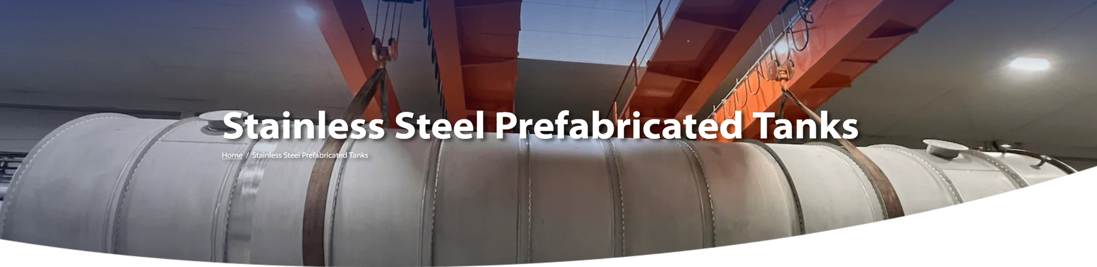
At the heart of this infrastructure are Storage and Fuel Tanks, engineered to meet rigorous international standards while providing long-term durability.
Engineering Excellence in Liquid Containment
Modern industrial tanks are no longer simple vessels; they are sophisticated pieces of equipment designed to withstand extreme environmental conditions, internal pressures, and corrosive substances. The transition from basic steel structures to composite and specialized alloy tanks has revolutionized how industries approach resource management. These advancements ensure that volatile liquids are stored with minimal risk of leakage or contamination.
One of the primary considerations in tank design is structural integrity. High-grade materials such as galvanized steel, stainless steel, and reinforced thermoplastics are selected based on the chemical properties of the stored medium. For instance, fuel storage requires specific coatings to prevent oxidation and sediment buildup, which could otherwise compromise the quality of the fuel and damage the machinery it powers.
Types of Specialized Storage Solutions
Depending on the specific needs of a facility, several types of tanks are utilized:
- Above-Ground Storage Tanks (ASTs): Preferred for their ease of inspection and lower installation costs.
- Underground Storage Tanks (USTs): Often used for fuel to save space and provide natural insulation against temperature fluctuations.
- Modular Tanks: Ideal for remote locations where transport of large, pre-fabricated units is impossible.
Safety Protocols and Environmental Protection
Environmental stewardship is a significant driver in the design of modern Storage and Fuel Tanks. Secondary containment systems, such as double-wall construction and bunding, act as a fail-safe against accidental spills. In the event of a primary tank breach, the secondary layer captures the liquid, preventing soil and groundwater contamination.
Furthermore, digital monitoring systems have become standard. These systems provide real-time data on:
- Level Sensing: Preventing overfills and managing inventory.
- Leak Detection: Utilizing pressure sensors to identify microscopic cracks immediately.
- Temperature Control: Crucial for liquids that must remain at a specific viscosity for processing.
Choosing the Right Partner for Technical Solutions
Selecting a storage system is an investment that spans decades. It requires a partner who understands the intersection of engineering and local regulations. High-quality tanks reduce maintenance overhead and extend the lifecycle of the storage facility. By implementing robust Storage and Fuel Tanks, companies can ensure their operations remain compliant with environmental laws while optimizing their logistical throughput.
Conclusion
As global demand for energy and chemical products grows, the sophistication of containment systems must keep pace. Investing in premium storage technology is not just about compliance; it is about building a resilient, sustainable foundation for the future of industry.
Tags
- Industrial storage tanks
- fuel containment solutions
- steel tank engineering
- liquid storage systems
- fuel tank manufacturing
- chemical storage vessels
- water storage tanks
- AST vs UST
- double-walled tanks
- industrial tank safety
- fuel inventory management
- corrosion resistant tanks
- modular storage solutions
- tank inspection standards
- environmental containment
- liquid resource management
- petroleum storage
- customized industrial tanks
- technical storage solutions
- sustainable tank design