



Navigating the Global Market for Wholesale Soft Drinks
Views count 323
The beverage industry is currently undergoing a massive transformation, driven by shifting consumer preferences and the need for more efficient distribution networks.
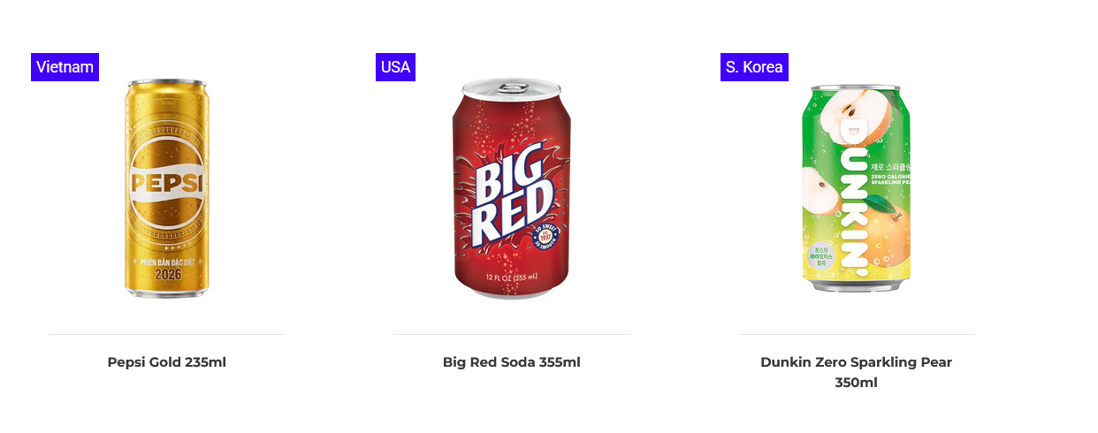
For retailers and hospitality businesses, securing a reliable source for wholesale soft drinks is no longer just about price—it is about variety, supply chain resilience, and aligning with modern health trends.
Strategic Sourcing in the Beverage Sector
In a competitive retail environment, the composition of a beverage portfolio can significantly impact profit margins. Businesses must balance high-turnover legacy brands with emerging functional drinks. By utilizing professional networks for wholesale soft drinks, companies gain access to a broader inventory that includes carbonated mixers, energy drinks, and premium mineral waters.
The primary advantage of bulk procurement is the reduction of unit costs. However, logistics play an equally vital role. Modern wholesalers utilize sophisticated tracking and inventory management systems to ensure that stock levels remain optimal, minimizing the risk of out-of-stock scenarios during peak seasons like summer or major public holidays.
Consumer Shifts: Health, Flavor, and Sustainability
The "better-for-you" movement is reshaping the demand within the soft drink category. Wholesalers are now stocking an increasing volume of:
- Low-Sugar and Zero-Calorie Options: Driven by health-conscious consumers and sugar tax regulations in many regions.
- Natural Ingredients: Beverages featuring real fruit extracts, botanical infusions, and no artificial preservatives.
- Sustainable Packaging: A growing preference for glass and infinitely recyclable aluminum over traditional plastics.
Optimizing the Supply Chain for Perishable Goods
Managing a large-scale inventory of wholesale soft drinks requires precision. Unlike dry goods, beverages have specific shelf lives and storage requirements. Maintaining a "First-In, First-Out" (FIFO) system is critical to ensuring product freshness. Furthermore, temperature-controlled warehousing is essential for certain premium juices and specialized carbonated beverages to preserve their flavor profile and carbonation levels.
Digital Integration in Wholesale Procurement
The transition to B2B e-commerce has streamlined the way businesses order their supplies. Real-time availability, automated reordering, and transparent pricing allow procurement managers to focus on growth rather than administrative paperwork. Partnering with a digitally-integrated supplier of wholesale soft drinks provides the agility needed to respond to sudden market fluctuations or localized trends.
Conclusion
Success in the beverage retail sector depends on a robust partnership with a distributor that understands both global logistics and local tastes. By focusing on a diverse range of wholesale soft drinks and emphasizing supply chain efficiency, businesses can stay ahead of the competition and satisfy the evolving demands of their customers.
Tags
- Wholesale soft drinks
- beverage distribution
- bulk soda supply
- non-alcoholic drinks wholesale
- carbonated water suppliers
- energy drinks distributor
- wholesale juice providers
- B2B beverage sales
- soft drink bottling
- retail drink supply
- wholesale mineral water
- sugar-free drinks wholesale
- beverage logistics
- commercial drink distribution
- soft drink export
- wholesale beverage industry
- premium soft drinks supply
- bulk canned drinks
- wholesale sparkling water
- global beverage sourcing