



Concentration as a Parameter: How the Pharmaceutical, Food, and Cosmetic Industries Manage Active Substance Dosing
Views count 274
The precise concentration of active ingredients is a fundamental parameter that dictates the efficacy, safety, and consumer appeal of products across numerous industries. From the carefully calibrated dosages in life-saving medications to the carefully balanced flavors in our food and the performance of cosmetic formulations, managing the strength of active substances is a critical aspect of product development. This careful control is shaped by a complex interplay of scientific understanding, regulatory frameworks, and evolving consumer preferences, ensuring that products deliver their intended benefits effectively and safely.
Pharmaceutical Precision: Dosing for Health and Safety
In the pharmaceutical sector, concentration is paramount. Medication dosages are rigorously determined through extensive clinical trials to ensure therapeutic effectiveness while minimizing adverse side effects. Regulatory bodies, such as the FDA or EMA, set strict guidelines for active substance levels, purity, and labeling. Patients rely on these precise concentrations for treatment, and any deviation can have serious health consequences. Over-the-counter products, while less strictly regulated than prescription drugs, also adhere to specific concentration limits for safety and efficacy.
Regulating Taste and Effect: Concentration in Food and Beverages
The food and beverage industry heavily relies on managing concentrations to influence taste, texture, and physiological effects. The percentage of alcohol in beverages, for example, is legally mandated and directly impacts the product’s classification and consumer experience. Similarly, the caffeine content in energy drinks and coffee products is a key differentiator and is often highlighted for consumer awareness. Beyond these, the use of sweeteners, salt, and flavorings is meticulously controlled to achieve desired sensory profiles and meet consumer demands for lower sugar or salt options. Food safety regulations also dictate maximum allowable levels for certain additives and contaminants.
Cosmetic Efficacy and Sensitivity: Balancing Strength and Safety
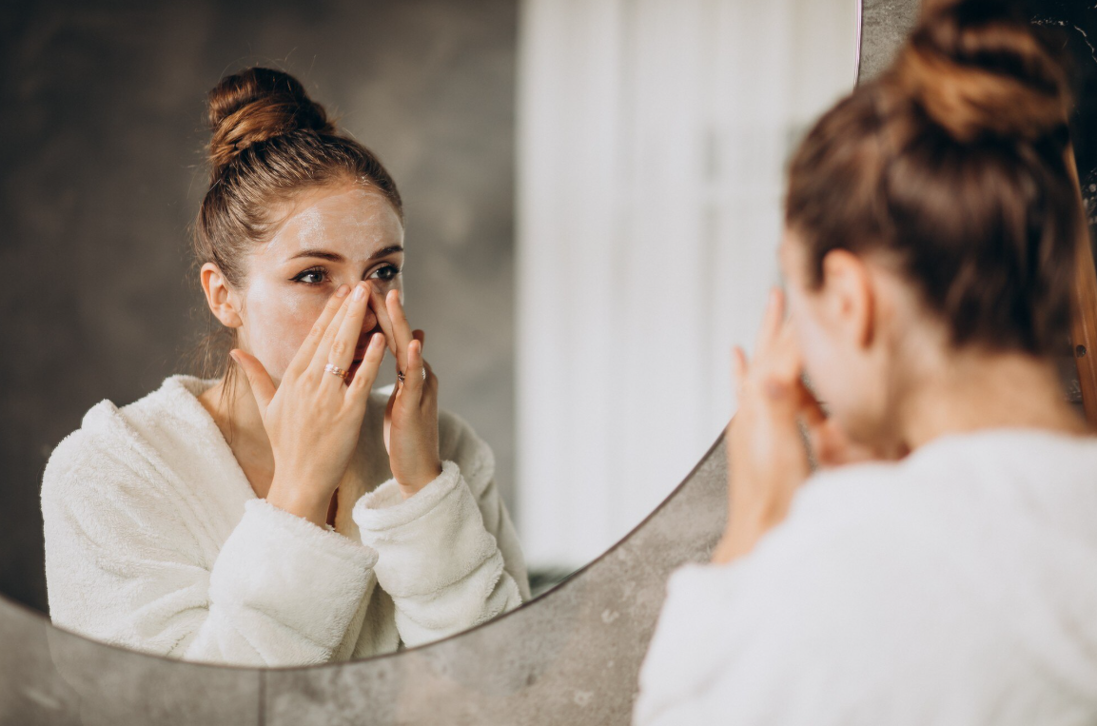
In cosmetics and personal care products, the concentration of active ingredients is crucial for performance. Skincare formulations might feature active compounds like retinol or vitamin C at specific percentages designed to deliver therapeutic benefits, such as anti-aging or skin brightening. However, higher concentrations do not always equate to better results; they can also increase the risk of skin irritation or sensitivity. Formulators must balance efficacy with safety, considering factors like skin type, application frequency, and potential interactions with other ingredients. The precise concentration is key to achieving the desired cosmetic effect without causing harm.
Diverse Liquid Formulations and Dosage Management
The market for delivering active substances in liquid form is extensive and varied. Standard https://doctorvape.eu/en/3-liquids are offering a baseline for application and dosage. These solutions allow for a range of concentrations tailored to different applications and consumer needs.
For users requiring enhanced dosage such as https://doctorvape.eu/en/9-liquids-salt and their precision or specific delivery profiles, formulations with higher active substance concentration are developed. This development allows for finer control over the quantity of active ingredient delivered, catering to individual preferences and tolerability.
Shaping Concentrations: Regulation and Consumer Demand
Ultimately, the available concentrations of active substances in consumer products are shaped by a dynamic interplay between stringent regulations and evolving consumer preferences. Regulatory bodies ensure safety and efficacy standards are met, setting limits and requiring clear labeling. Simultaneously, consumer demand for specific effects, convenience, or healthier alternatives drives manufacturers to innovate and offer products with varying concentrations. For example, the growing demand for low-alcohol or non-alcoholic beverages, or for skincare products with specific active ingredient strengths, directly influences product development and formulation choices.
Conclusion: The Criticality of Controlled Dosing
The management of active substance concentration is a complex, multidisciplinary endeavor critical to the success and safety of products across the pharmaceutical, food, and cosmetic industries. It requires a deep understanding of chemistry, biology, consumer psychology, and regulatory science. The careful calibration of these parameters ensures that products perform as intended, meet safety standards, and align with consumer expectations. The broader landscape of consumer technology and market strategies is often analyzed on platforms such as https://doctorvape.eu/en. This meticulous approach to concentration management underscores the intricate science behind the products we rely on daily, transforming raw chemical potential into tangible, beneficial outcomes.
Tags
- active substance concentration
- pharmaceutical dosing
- active ingredient management
- drug concentration safety
- food industry regulation
- cosmetic active ingredients
- retinol concentration skincare
- vitamin C percentage cosmetics
- caffeine content beverages
- alcohol percentage regulation
- liquid formulations dosing
- pharmaceutical regulatory compliance
- FDA drug dosage
- EMA active substance guidelines
- skincare formulation efficacy
- food additive concentration
- over-the-counter drug safety
- clinical trial dosage
- skin irritation cosmetics
- anti-aging active ingredients
- salt and sugar regulation food
- nicotine salt liquid dosing
- consumer product safety
- cosmetic product formulation
- beverage concentration control
- active ingredient delivery
- low-alcohol beverage trend
- controlled dosing science
- product efficacy and safety
- concentration parameter industries